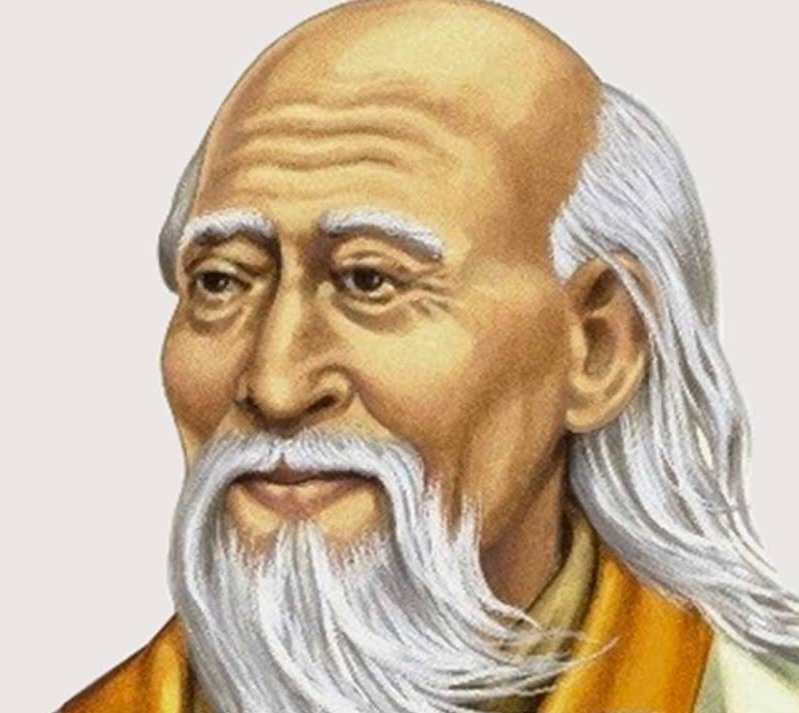
The Unutterable Essence of the Tao
"The Tao that can be spoken is not the eternal Tao." In this profound statement, Lao Tzu invites us to contemplate the limitations of language and the ineffable nature of ultimate reality. The essence of the Tao, or the Way, transcends verbal expression, suggesting that true understanding lies beyond the confines of words. This insight is crucial in a world where we often seek to define and categorize our experiences, risking the loss of deeper truths that elude articulation.
As we delve into this quote, we are reminded of the paradox inherent in our attempts to communicate profound truths. Language, while a powerful tool for connection, can also become a barrier to genuine understanding. Lao Tzu's assertion challenges us to embrace silence and stillness as pathways to wisdom, encouraging us to explore the spaces between words where the eternal Tao resides. This exploration is not merely an intellectual exercise; it is a call to experience the world in its fullness, beyond the limitations of our verbal constructs.
The image / the metaphor
The imagery in Lao Tzu's quote evokes a sense of mystery and depth. The phrase "the Tao that can be spoken" suggests a tangible, accessible version of the Tao, one that can be articulated and understood within the confines of human language. However, the subsequent assertion that this spoken Tao is not the eternal Tao introduces a profound tension. It implies that the true nature of the Tao is elusive, residing in a realm that defies our attempts to pin it down with words. This evokes a felt sense of longing, a recognition that the most significant truths often lie beyond our grasp.
Diving deeper into the metaphor, we can see that Lao Tzu is not merely critiquing language; he is inviting us into a contemplative space where silence becomes a teacher. The eternal Tao, which cannot be fully expressed, invites us to engage with the world in a way that transcends mere intellectual understanding. This metaphor encourages us to cultivate an awareness of the unspoken, the subtle energies that flow through our lives, and the wisdom that arises from stillness. In this light, silence is not an absence but a presence, a fertile ground for deeper insights to emerge.
In the speaker's tradition
Within the rich tapestry of Taoism, Lao Tzu's quote resonates with key concepts such as wu wei, or effortless action, and sunyata, the emptiness that allows for the fullness of existence. Wu wei teaches us to align ourselves with the natural flow of the universe, suggesting that true wisdom often arises when we cease striving and allow things to unfold. Similarly, sunyata invites us to recognize the emptiness of concepts and labels, revealing the interconnectedness of all things. In this context, Lao Tzu's assertion serves as a reminder that the essence of the Tao is not something to be grasped but rather experienced in the quietude of our being.
Moreover, the Tao Te Ching itself is a text that embodies this paradox of expression and silence. In its verses, Lao Tzu often employs paradoxical statements to convey truths that elude straightforward explanation. For instance, he writes, "Knowing others is intelligence; knowing yourself is true wisdom." This reflects the idea that self-knowledge and inner stillness lead us closer to the eternal Tao, which remains beyond the reach of our verbal articulations. The text invites readers to engage with its wisdom not just through intellectual analysis but through contemplative practice, embodying the very essence of the teachings.
Living the teaching
In our modern lives, the teaching of Lao Tzu can manifest in various scenarios. Consider a moment of conflict in a workplace setting, where words are exchanged in frustration. Here, the challenge lies in recognizing that the essence of the situation may not be fully captured by the spoken dialogue. By taking a step back, embracing silence, and allowing space for reflection, we can access a deeper understanding of the dynamics at play. This practice of pausing before responding can lead to more compassionate interactions and a clearer perception of the underlying truths that words often obscure.
Another application of this teaching can be found in our personal relationships. In times of emotional turmoil, we may feel compelled to articulate our feelings and thoughts, seeking validation through expression. However, Lao Tzu's wisdom encourages us to explore the power of silence in these moments. By sitting with our emotions, allowing them to unfold without the need for immediate verbalization, we create a space for deeper connection and understanding. This practice of contemplative listening—both to ourselves and to others—can foster intimacy and reveal the unspoken truths that bind us together.
A reflection
As we reflect on Lao Tzu's profound statement, we are invited to consider the role of silence in our own lives. How often do we rush to fill the spaces between our thoughts and words, fearing the discomfort of stillness? In what ways might we cultivate a deeper relationship with the unutterable aspects of our experiences? By embracing the silence that surrounds us, we may find ourselves closer to the eternal Tao, discovering truths that resonate beyond the limitations of language.



Join the BrightStar Community
Stay connected with daily inspiration, event announcements, and community wisdom