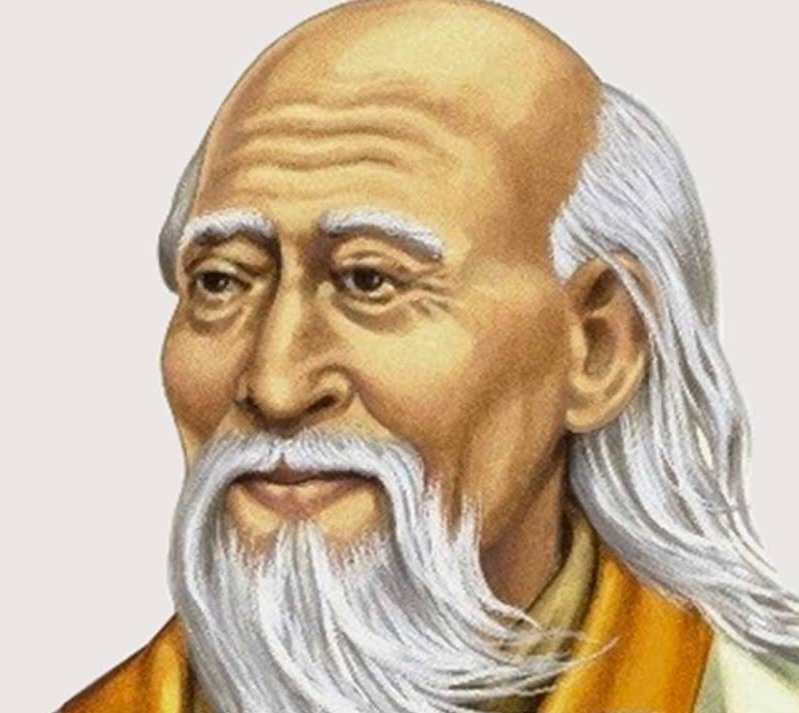
Trusting the Inner Vision: A Journey Through the Wisdom of Lao Tzu
The quote "The master observes the world but trusts his inner vision" encapsulates a profound truth about the nature of wisdom and presence. In a world filled with distractions and external noise, Lao Tzu invites us to cultivate a deep trust in our inner selves. This trust is not merely a passive acceptance but an active engagement with our own intuition and understanding, allowing us to navigate life's complexities with clarity and purpose. The stakes are high; in a society that often prioritizes external validation, the ability to look inward can lead to authentic living and true wisdom.
As we delve deeper into this quote, we recognize that the master, as depicted by Lao Tzu, embodies a unique balance between observation and introspection. This duality is essential for those seeking to live a life aligned with their true nature. By observing the world, the master remains aware of the myriad influences that shape our experiences, yet it is the inner vision that ultimately guides decisions and actions. This interplay between external observation and internal trust is a cornerstone of Taoist philosophy, encouraging us to harmonize our understanding of the world with our innate wisdom.
The image / the metaphor
The imagery in Lao Tzu's quote is rich and evocative, suggesting a dynamic interplay between the outer world and the inner self. The term "master" implies a level of wisdom and experience, someone who has cultivated the ability to see beyond surface appearances. The act of "observing the world" evokes a sense of mindfulness, a conscious engagement with the present moment. In contrast, "trusting his inner vision" speaks to a deeper, more intuitive understanding that transcends mere observation. This juxtaposition creates a felt sense of balance, where the master navigates the complexities of life with both awareness and inner guidance.
Diving deeper into the metaphor, we can see that the "inner vision" represents a profound source of insight that is often overlooked in our fast-paced lives. It suggests that true wisdom does not solely arise from external knowledge or experiences but rather from an inner reservoir of understanding that each individual possesses. This inner vision is akin to the Tao itself—an ever-present, guiding force that encourages us to align with our authentic selves. By trusting this inner vision, we cultivate a sense of peace and clarity, allowing us to respond to the world with wisdom rather than reaction.
In the speaker's tradition
Within the context of Taoism, Lao Tzu's teaching resonates deeply with the concepts of wu wei and naturalness. Wu wei, often translated as "non-action" or "effortless action," emphasizes the importance of aligning oneself with the natural flow of the universe. This principle encourages individuals to observe and respond to life rather than forcefully impose their will upon it. Trusting one's inner vision aligns with this concept, as it invites us to listen to our intuition and act in harmony with the Tao, rather than being swayed by external pressures or societal expectations.
A relevant text that echoes this sentiment is the Tao Te Ching itself, particularly in its verses that emphasize simplicity and humility. For instance, in Verse 15, Lao Tzu describes the wise person as one who is "deeply rooted and firmly planted," suggesting that true wisdom comes from a place of inner stability and trust. This connection between inner vision and the teachings of the Tao reinforces the idea that wisdom is not merely an intellectual pursuit but a lived experience grounded in presence and awareness.
Living the teaching
Consider a modern scenario where this teaching can be applied: a professional facing a significant career decision. In such moments, the external world may present numerous options, each accompanied by its own set of expectations and pressures. The challenge lies in discerning which path aligns with one's true self. By observing the external circumstances while simultaneously trusting their inner vision, the individual can navigate this decision with clarity, ensuring that their choice reflects their authentic desires rather than societal norms.
Another application of this teaching can be found in personal relationships, particularly during conflicts. When faced with disagreement, it is easy to become entangled in external arguments and emotional reactions. However, by taking a step back to observe the situation while trusting one's inner vision, individuals can approach the conflict with a sense of calm and understanding. This practice fosters deeper connections and allows for resolutions that honor both parties' truths, ultimately leading to more harmonious relationships.
A reflection
As we reflect on Lao Tzu's profound insight, we are invited to consider how we can cultivate a deeper trust in our inner vision amidst the noise of the world. What practices can we engage in to strengthen this connection to our intuition? In moments of uncertainty, how can we pause to observe our surroundings while simultaneously tuning into our inner wisdom? These contemplative questions encourage us to explore the delicate balance between observation and trust, guiding us toward a more authentic and wise way of living.



Join the BrightStar Community
Stay connected with daily inspiration, event announcements, and community wisdom